Crawl Space Mold Removal in Wydown Skinker, MO
Mold removed from framing and damaged insulation beneath your Wydown Skinker home. Call 24/7 to start your crawl space assessment and cleanup.
- Joists and subfloor checked
- Containment and HEPA filtration
- Moisture correction planned
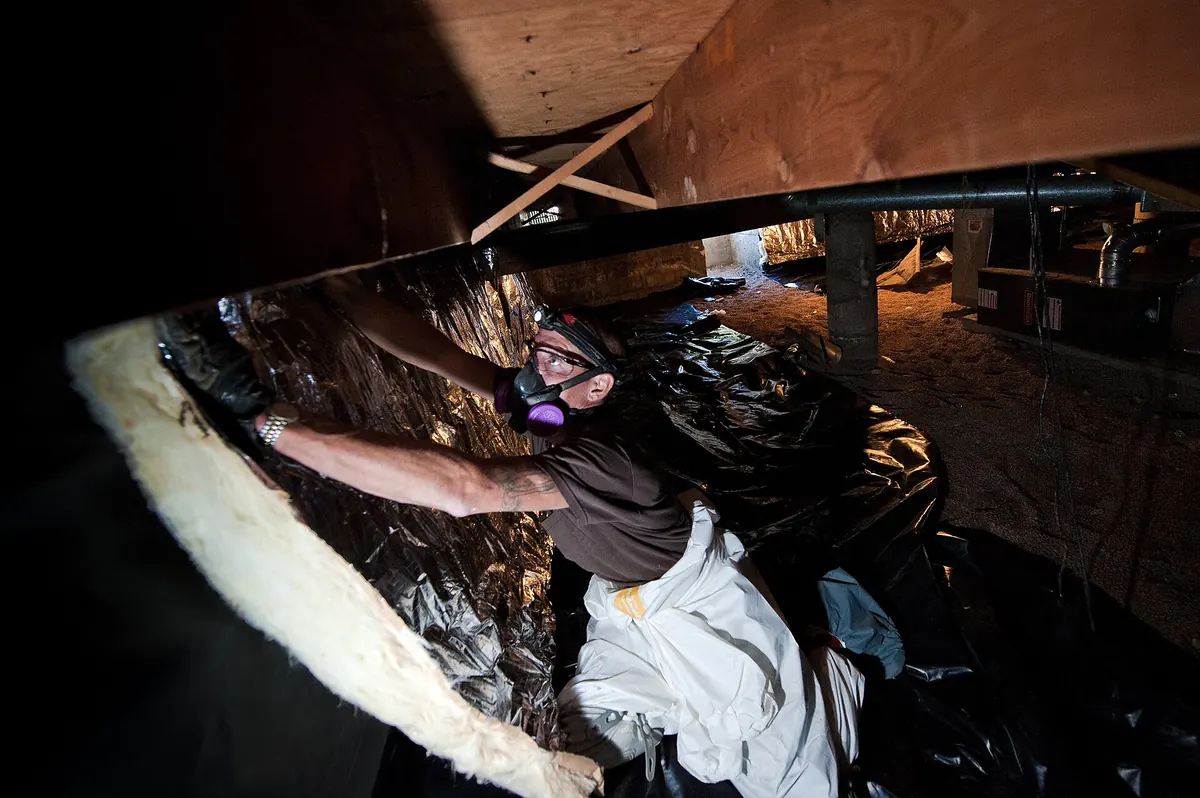
Crawl Space Mold Removal Services for Your Wydown Skinker Home
Growth is removed from your floor joists, reachable subfloor and other affected materials under the house. Before that cleaning begins, insulation and concealed moisture are checked.
Where possible, you keep sound wood during crawl space remediation. Unsalvageable insulation is bagged for removal by a protected path. The work includes contained removal as well as cleaning and drying.
Your cleanup and separate moisture repairs are defined in a written scope. Assessment comes first for crawl space drainage and the vapor barrier, along with leaking plumbing and foundation vents.
- Floor joist and subfloor cleaning
- Affected crawl space insulation removal
- Leak and ground moisture assessment
- Contained crawl space access
- Wood drying and final checks

Recognizing the Need for Crawl Space Mold Removal
Arrange an assessment if you notice growth, wet insulation or mustiness under your floors.
Musty Crawl Space Odor
Recurring odor near the hatch can accompany hidden growth or wet materials.
Mold on Floor Joists
Your joists or subfloor may have visible mold growth extending past the hatch.
Dampness Around the Moisture Barrier
Water above a torn barrier or exposed damp soil needs moisture correction.
Hanging Crawl Space Insulation
Beneath your floors, moisture can be indicated by water stains near fallen insulation.
When Standing Water Covers the Dirt Floor
Pooled water after rain or near plumbing can keep materials damp.
What Happens During Crawl Space Mold Treatment
Your work runs from assessment through removal under containment to cleaning, drying and final checks.
Call and Crawl Space Assessment
First, your call covers damage and entry access. Using a moisture meter charts dampness; thermal imaging camera readings reveal temperature variation without identifying mold.
Moisture Source and Scope
Assessment covers ground moisture, crawl space vents and your plumbing. Plans for crawl space ventilation changes, leak repair and any work on drainage or a sump pump precede removal.
Crawl Space Containment
Openings into occupied rooms receive a containment barrier constructed with poly sheeting. Protective equipment, negative air pressure and a HEPA air scrubber limit particle spread during the work.
Damaged Insulation Removal
Other damaged porous materials and insulation beyond recovery are placed in bags inside containment. Affected subfloor is exposed through controlled tear out, keeping loose debris from being dragged through your home.
Joist and Subfloor Cleaning
A HEPA vacuum removes growth and residue from sound wood together with appropriate surface cleaning. Physical cleaning remains necessary; antimicrobial treatment is an additional step when appropriate.
Controlled Crawl Space Drying
Drying after cleanup is supported by air movers and a crawl space dehumidifier. Replacement of materials follows correction of the water source, with moisture readings tracking the wood during that work.
Post-Remediation Check
Only after drying, cleaning and agreed post-remediation verification finish is containment dismantled. If clearance testing is included, reopening the work area follows testing by an independent assessor.
Reasons to Choose St. Louis Mold Removal Services for Crawl Space Mold Removal
Crawl Space Moisture First
Before cleaning, your assessment tracks ground moisture, condensation and leaks in plumbing.
Calls Answered 24/7
One number gets your metro-area cleanup started, including during weekends and nights.
Clear Scope and Contained Access
Your scope is explained first, with containment and HEPA filtration matched to the affected space.
Removal Through Final Checks
Damaged insulation is removed, wood is cleaned and dried, and verification precedes containment removal.
Crawl Space Cleanup Preparation for St. Louis County
You can schedule an assessment by calling. Do not disturb affected materials.
- Stay outside unsafe areas. Do not enter standing water, exposed wiring or unstable framing.
- Leave growth undisturbed. Brushing, sanding or scraping may send mold spores and dust into the air.
- Keep affected HVAC equipment off. EPA cautions that mold may spread when you run contaminated HVAC equipment.
- Restrict crawl space access. Keep the hatch and work area off limits to your children and pets.
- Act on recent water damage. Dry water-damaged items and areas within 24 to 48 hours to prevent mold growth, EPA advises.
Your Wydown Skinker, MO Crawl Space Mold Removal Cost
Published national price ranges show removal alone separately from removal with encapsulation. Dehumidifier installation is priced as another item. Your cost varies with material condition, access and the square footage affected.
Crawl space mold removal
$500 to $2,000 per jobSource: Fixr, Mold Remediation Cost (checked 2026-10-23)Mold removal added to a crawl space encapsulation job
$500 to $4,000 per jobSource: This Old House, Crawl Space Encapsulation Cost (checked 2026-10-23)Dehumidifier, installed
$800 to $2,000 per installSource: This Old House, Crawl Space Encapsulation Cost (checked 2026-10-23)Understanding Changes to Your Crawl Space Cleanup Cost
- Wet soil or standing water
- Separate repairs or encapsulation
- Affected square footage and access
- Mold on joists and subfloor
- Barrier and insulation condition
Your Price for Cleaning the Crawl Space
These published national ranges are planning figures. Your on-site assessment defines the work and price before cleanup starts, including any separate source repairs or rebuilding.
Call (844) 352-3560 about costCrawl Space Mold Removal Service Area Across Greater St. Louis
Call (844) 352-3560 to arrange cleanup in Wydown Skinker or nearby communities. One number covers the metro.
Crawl Space Mold Removal in Locations Near Wydown Skinker
ZIP codes
Answers to Crawl Space Mold Removal Questions in Wydown Skinker
Can mold come back once the space has been cleaned?
Mold can return if your crawl space stays damp. Cleanup follows an assessment that traces condensation, leaks and moisture in the ground. Wood is cleaned and dried, with source corrections included or identified as separate work. Neither a dehumidifier nor a moisture barrier substitutes for fixing an ongoing water leak.
Will the scope also cover drainage repairs or encapsulation?
Plans define moisture corrections alongside cleaning, but encapsulation and drainage repairs must appear in your scope to be included. As part of that plan, a moisture barrier may cover the soil. Address wet materials and existing growth before surfaces are covered; separate structural repairs or plumbing work stay distinct from cleanup.
Do floor joists and insulation have to come out?
Sound subfloor and joists can frequently stay in position while being cleaned and dried. Moldy insulation that cannot be saved leaves in bags. Framing that is soft or deteriorated needs repair evaluation; cleaning cannot bring back structural strength. Your scope identifies retained materials, removal areas and any separate rebuilding before work begins.
Can you stay home during work beneath the house?
You could stay home if the rooms you occupy remain separated from both the work zone and debris route. Restrictions depend on shared ventilation, hatch location and your household's needs. Certain jobs mean temporarily moving out. Your assessment establishes access arrangements before containment goes up, including any interruption to affected heating or cooling equipment.
Should testing take place before or after crawl space cleanup?
With visible mold, air sampling is frequently unnecessary according to EPA guidance. Inspection establishes damage in accessible areas and the cleanup scope, together with moisture checks. Check that cleaning and drying are complete before dismantling containment. Specified clearance testing requires an independent assessor to perform testing. Indoor mold levels have no federally established limit.
How much time should you allow for crawl space cleaning in Wydown Skinker?
Before setting your schedule, the access route and affected insulation and wood are evaluated. More work is needed with low clearance and growth covering several floor bays. Drying is based on moisture readings instead of surface appearance. The timing of new insulation also reflects plumbing repair, drainage correction and final verification.
How much does crawl space cleanup cost in St. Louis County?
Pricing for your job follows evaluation of the affected area, condition of materials and access. You can see published national ranges, units and sources in the cost cards above. Standalone removal, removal added to encapsulation and an installed dehumidifier describe different work. You learn the price and scope before any cleanup starts.
Discuss Your Crawl Space Cleanup and Insurance in Missouri
Coverage under your homeowners insurance varies with the cause of dampness, mold limits, deductible and policy exclusions. Rebuilding may receive a different decision than cleanup or drainage repairs.
Safety During Crawl Space Mold Work in Greater St. Louis
Particles spread less with containment as your framing is checked.
Crawl Space Access Hazards
Consider standing water, limited headroom and wiring when assessing entry safety and equipment placement.
Sensitive Occupants
CDC notes that, in some people, mold may trigger symptoms of allergies and asthma.
Mold Color
CDC explains that you cannot judge a mold's risk from its color.
Crawl Space Wood Rot
Cleaning does not restore decayed framing; suspected structural damage needs a building assessment.
Cleanup scope: EPA says you can often clean areas below about 10 square feet yourself, but access risks remain regardless of size. Professional assistance is needed with larger areas or HVAC systems and with mold from sewage or contaminated water.
Your St. Louis County Crawl Space Materials: Cleaning and Removal
Sound framing is cleaned where possible; damaged porous materials may need removal.
Wood framing and subfloor
- Deteriorated framing requires assessment for repairs, while sound wood undergoes cleaning and drying.
Insulation and debris
- Unsalvageable insulation and affected stored materials are bagged and removed.
Non-porous surfaces
- Clean reachable metal and remove damaged barrier sections if the scope includes that removal.
Planning Your Crawl Space Cleanup Schedule in St. Louis County
Your schedule follows access, removal volume, drying and repair after remediation.
- Access: More removal work is needed with low headroom and distant bays.
- Wood moisture: Moisture readings determine readiness for replacement insulation.
- Completion: Final verification and repairs at the source influence the completion date.
Address Crawl Space Humidity and Odor in Your Wydown Skinker Home
Odor is investigated with material and moisture checks. Fragrance does not remove its source.
EPA recommends indoor relative humidity below 60 percent, ideally 30 to 50 percent. Crawl space humidity control is matched to the moisture assessment.
Your Missouri Crawl Space Work Requirements
Crawl Space Work Requirements
Missouri does not appear to have a statewide license for mold assessors or remediators, and the state does not set mold exposure standards. Ask any contractor about their mold training and check local contractor rules.
Repair Permits
Permit requirements depend on the structural, plumbing or electrical work included.
Rental Crawl Spaces
The Missouri Attorney General's landlord-tenant page says landlords should make a property habitable before a tenant moves in, and it links to a consumer complaint form.
State Mold Information
The Missouri Department of Health and Senior Services has a mold page for the public, with the Bureau of Environmental Epidemiology listed as the contact.
State guidance: Missouri Attorney General, Landlord Tenant Law
Related Services and Next Steps
Start Your Crawl Space Mold Removal in Wydown Skinker
Call 24/7 to arrange your assessment. Your cleanup starts with the affected surfaces, moisture source and access to your home.